FOR PATIENTS
What is Epilepsy?
If you’ve ever been unsure about the difference between “epilepsy” and “seizure disorder,” you’re not alone. It’s one of the most common things patients say when they first arrive here. In fact, the two terms mean the same thing. At Sonoran Epilepsy, we think that distinction matters: not as a correction, but as a starting point. Understanding your diagnosis is one of the most powerful things you can do with it.
The basics
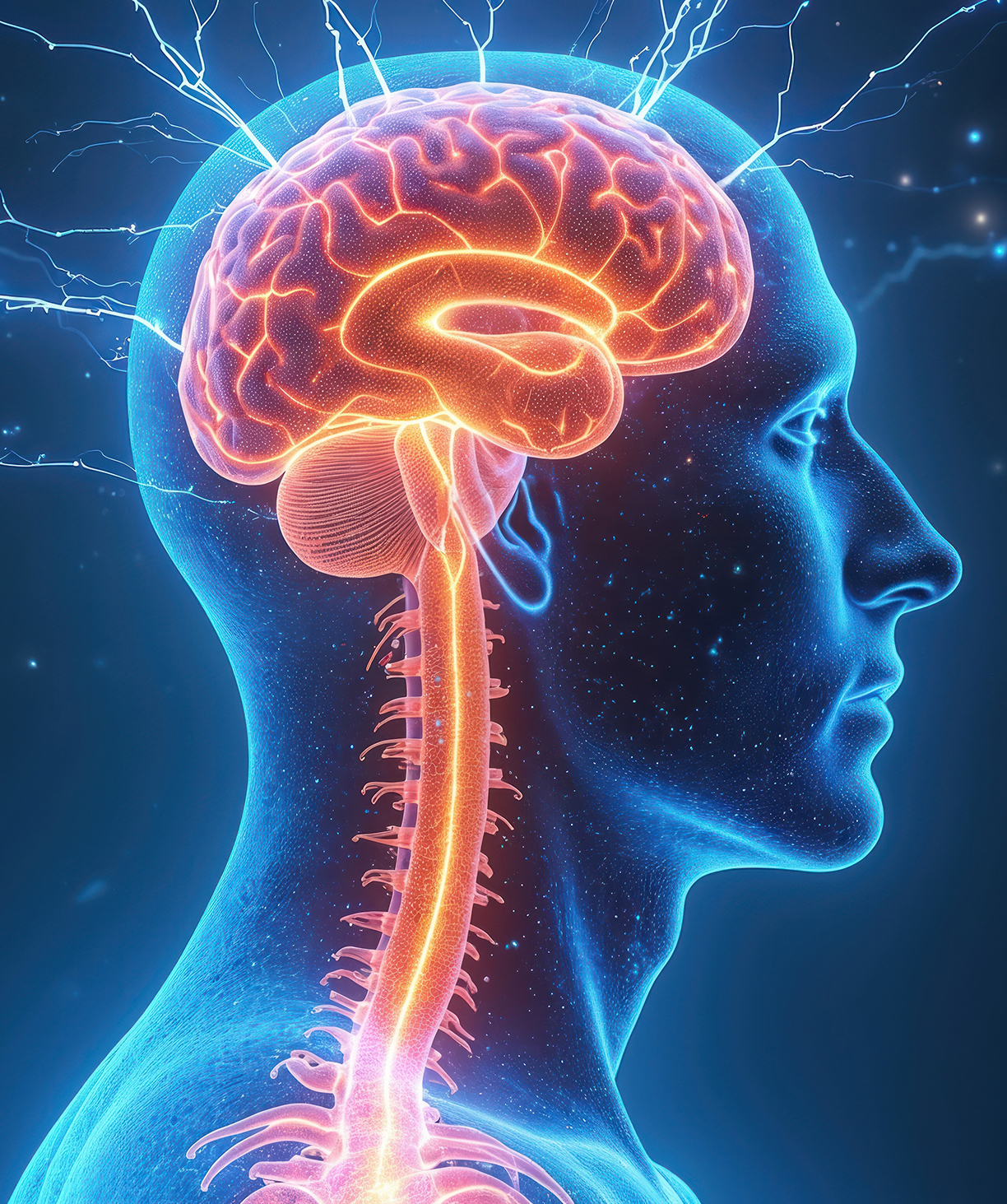
Epilepsy simply means a tendency to have unprovoked* seizures.¹ A seizure is a burst of abnormal electrical activity in the brain. Depending on where in the brain that activity occurs, the experience can look very different: a few seconds of behavioral change, a brief staring spell, rhythmic jerking of a limb, or a full loss of consciousness with convulsions. That last image is what most people picture when they hear the word “seizure,” but it represents only one end of a wide spectrum.
Epilepsy can affect anyone, at any age, of any background or IQ. It is not rare: approximately 3 million Americans live with it, including more than 77,000 people in Arizona.²·³
Focal seizures
Most people with epilepsy have focal seizures, meaning seizures that begin in one specific area of the brain. The location determines the symptoms. A seizure starting in the mesial temporal lobe might cause lip smacking or a sense of déjà vu. One starting in the motor cortex might cause rhythmic jerking of a limb. Focal seizures can spread to involve other parts of the brain, and when they do, symptoms can escalate to include loss of consciousness and full-body convulsions.
Generalized seizures
About one in three people with epilepsy have generalized seizures, where abnormal electrical activity involves a large portion of the brain all at once. This can sound more severe, but it often isn’t. Some generalized seizures do cause immediate loss of consciousness; others cause only brief behavioral changes similar to a mild focal seizure. The distinction between focal and generalized matters primarily because it helps guide treatment. Both types are treatable.

Why understanding this matters
Knowing what type of epilepsy you have, what is driving your seizures, and what your options are changes your relationship to the diagnosis. It reduces fear. It creates room for a real conversation about treatment. And it puts you in a position to make decisions about your care rather than just receiving them.
* “Provoked” seizures are those triggered by a specific, identifiable cause such as alcohol withdrawal, an immediate head injury, or certain medications. They are distinct from epilepsy, which involves unprovoked seizures.
¹ Fisher RS, et al. ILAE Official Report: A practical clinical definition of epilepsy. Epilepsia. 2014. ² Centers for Disease Control and Prevention. Epilepsy facts and stats. Updated May 15, 2024. https://www.cdc.gov/epilepsy/data-research/facts-stats/index.html. Accessed July 5, 2026. ³ Epilepsy Foundation of Arizona. epilepsy.com/local/arizona. Accessed April 8, 2026.

RESEARCH STUDIES
Access to What's Coming Next
Clinical research can open doors that aren’t yet available in routine care. Dr. Hopkins-Calligan participates in clinical research through Arensia Exploratory Medicine, giving eligible Sonoran Epilepsy patients access to emerging therapies currently in development.
Participation is always voluntary, at no cost to you or your insurance, and has no bearing on the care you receive here.